Blazequel Ltd
Star HouseAlington Road
St Neots
Cambridgeshire
PE19 6YH
Guy Kefford
07802 467036
blazequel.com
guy@blazequel.com
Watch how SWISco got the ability to operate with confidence by partnering with Blazequel and Fire Rover.
Wood recycling fire risk: getting protection where it counts
Wood recycling sites are dynamic. Material moves, contamination varies, piles grow and risk shifts throughout the day.
A battery can ignite in a storage bay over a weekend. A metal strike can produce a spark at the shredder. A fire can develop within a critical storage area and remain unnoticed until it has become difficult to control.
Each scenario carries a different likelihood, requires a different response and could have a very different impact on the operation. The challenge is making sure protection is focused on the risks that are most likely to occur and the areas where a fire could cause the greatest disruption.
Fire protection cannot be generic or product-led
There is no off-the-shelf answer to fire risk on a wood recycling site, and no single product that solves it. A risk-led approach starts by understanding where fires are most likely to start, how quickly they could develop and what impact they could have on the site’s ability to operate.
Where a fire is both likely and capable of causing serious disruption, protection should be strongest. Other areas should then be protected in proportion to the risk and operational impact they carry.
Building the plan around how the site operates
Some of the most valuable insight comes from the people who operate the site every day. They know where fires usually start, what tends to cause them and how incidents are normally dealt with. They also understand where access is difficult, where the current response works well and where a small fire could quickly affect the wider operation.
That knowledge should form part of the fire protection plan. A risk-led approach involves engaging with the people who are involved in the process day to day, to ensure that appropriate control measures are implemented.
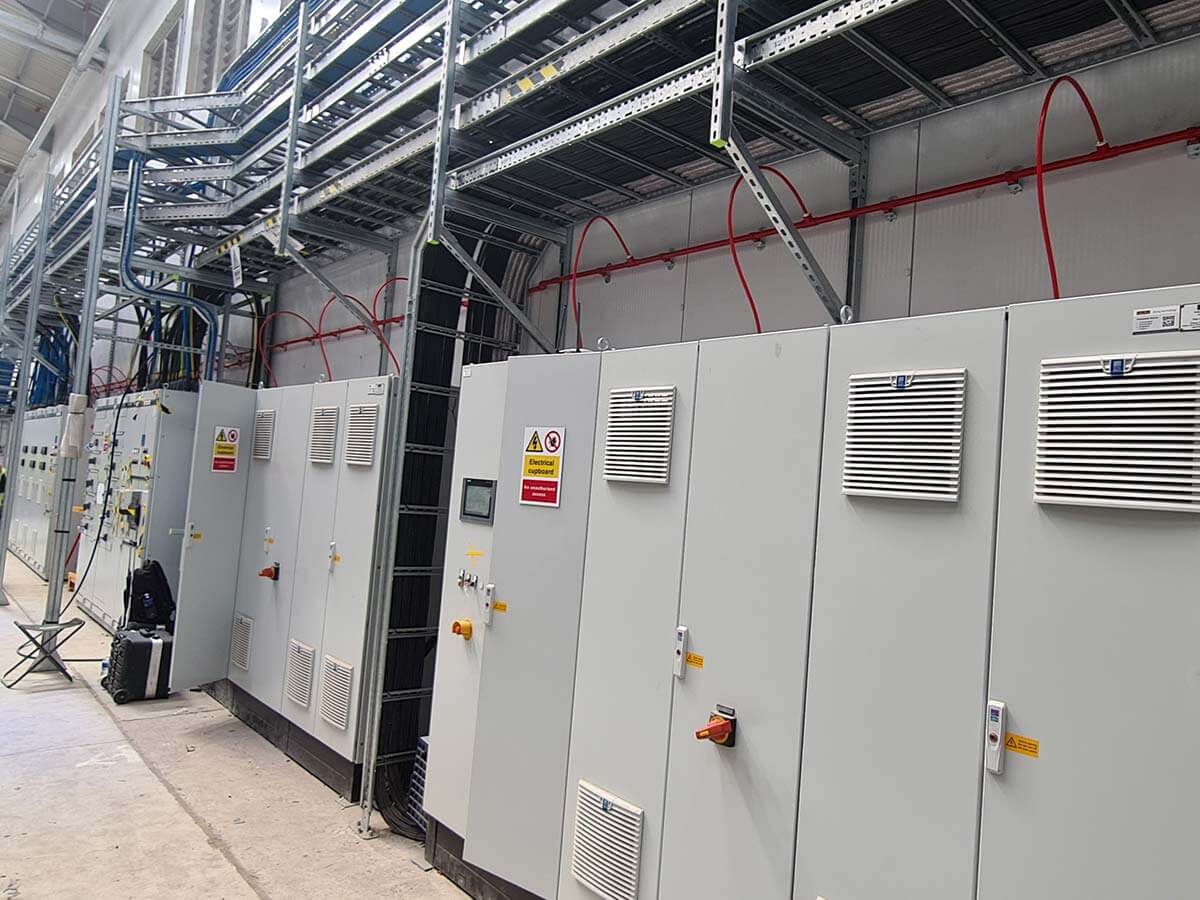
Matching the risk to the right control measures
The next step is selecting control measures suited to the environment and the way the site operates.
Flame detection, thermal imaging and video smoke detection each have a role, but they must be selected with site conditions in mind, including dust, changing temperatures, moving machinery and fluctuating material levels.
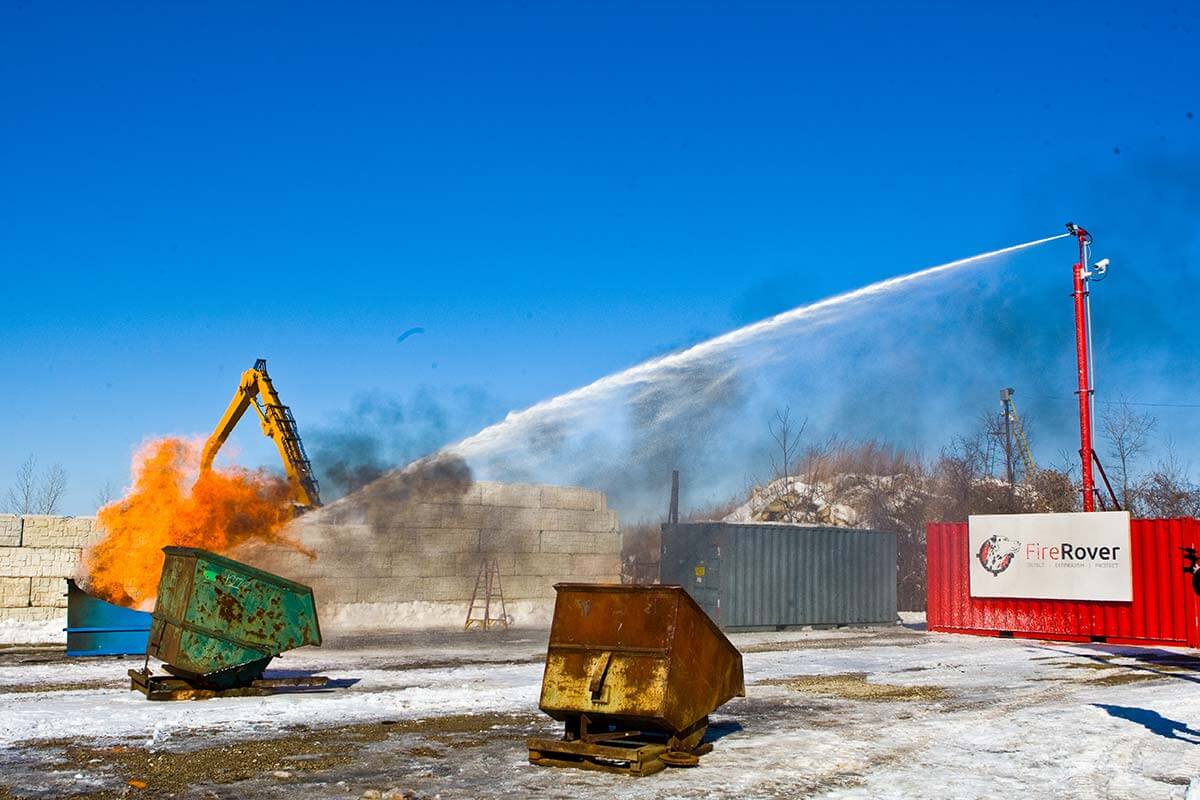
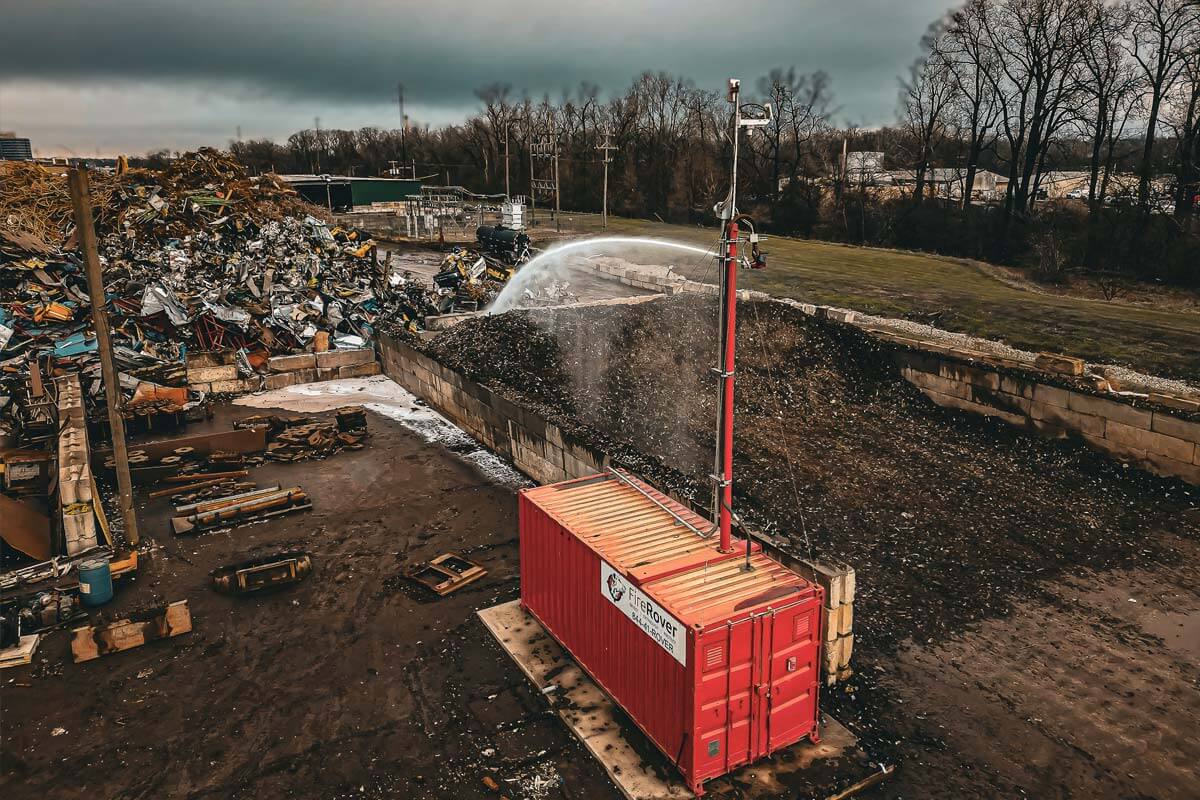
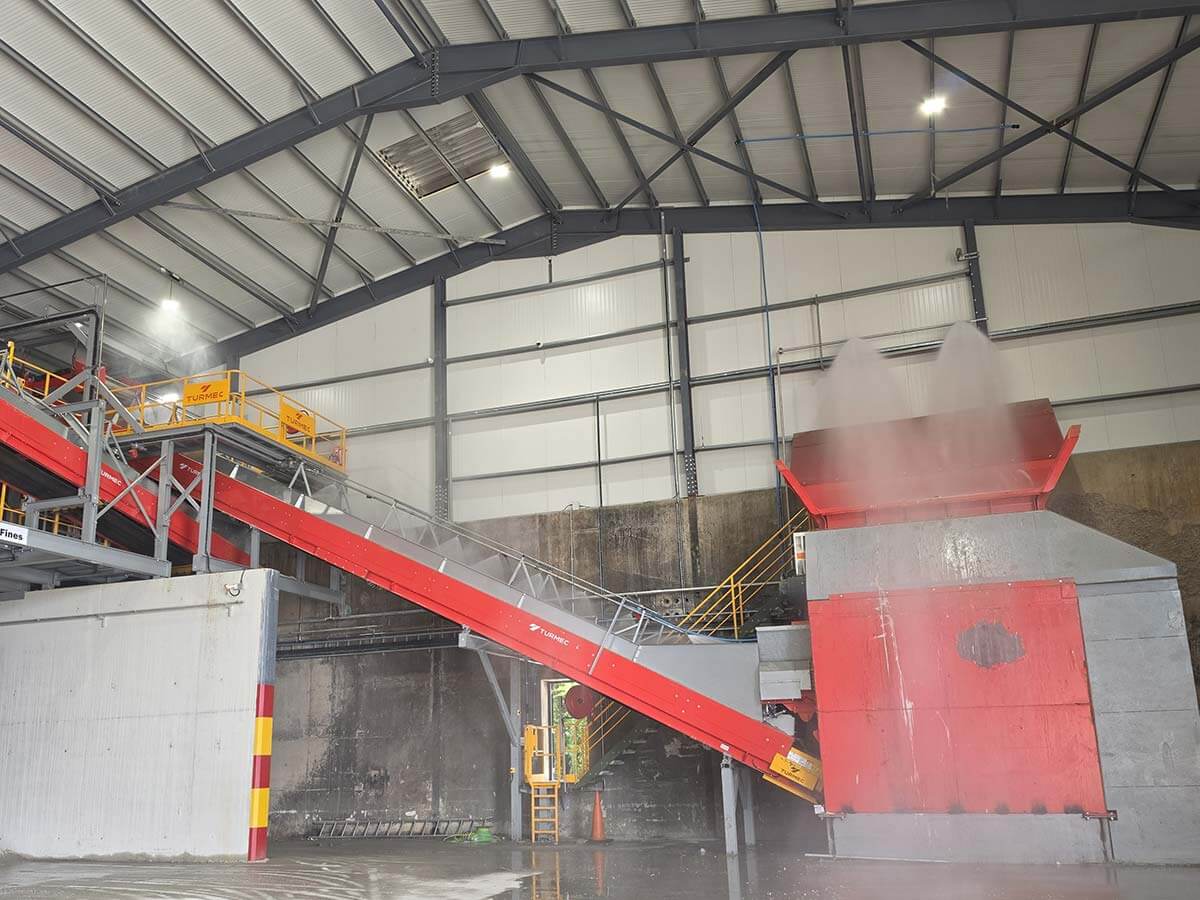
Suppression should be considered in the same way. For open tipping halls and storage bays, targeted systems such as Fire Rover can direct water onto the affected area and adapt the response as an incident develops.
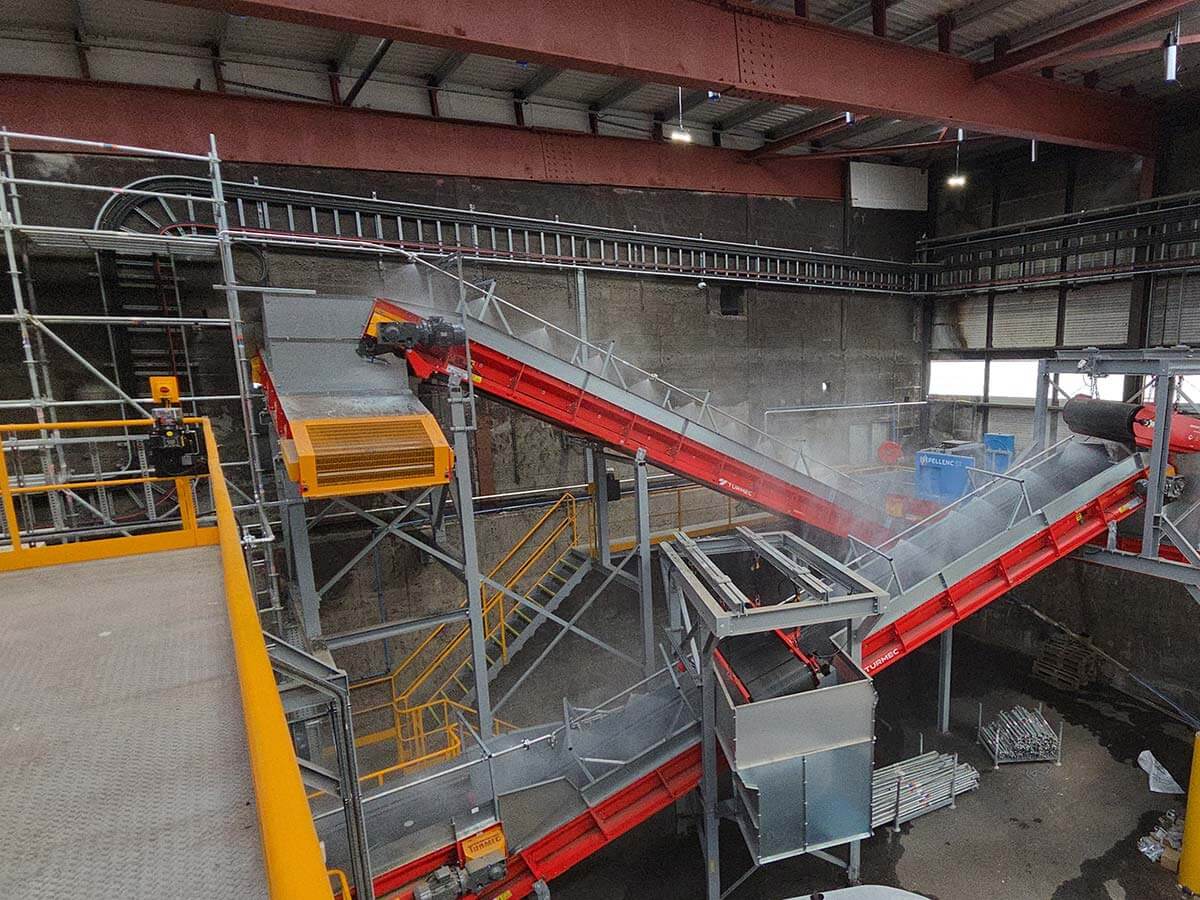
For process risks such as shredders and conveyors, the priority is rapid detection and suppression at the point of risk, helping to control the fire before it spreads into other areas of the plant.
The aim is to create a single coordinated plan to provide detection, suppression, procedures and site response that all work together.
Get ahead of changing risk
If incoming material is becoming more contaminated, storage volumes are increasing or the process has changed, the site’s risk profile may also have changed.
A risk-led review establishes whether existing measures are still appropriate for the risks identified.
To arrange a site risk assessment, email sales@blazequel.com or call +44 (0) 1234 357357.